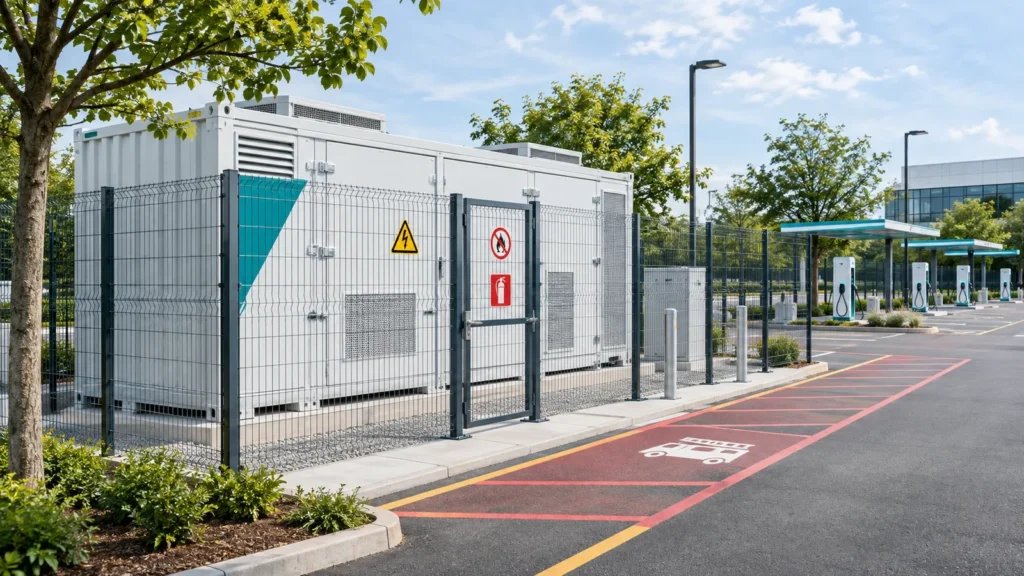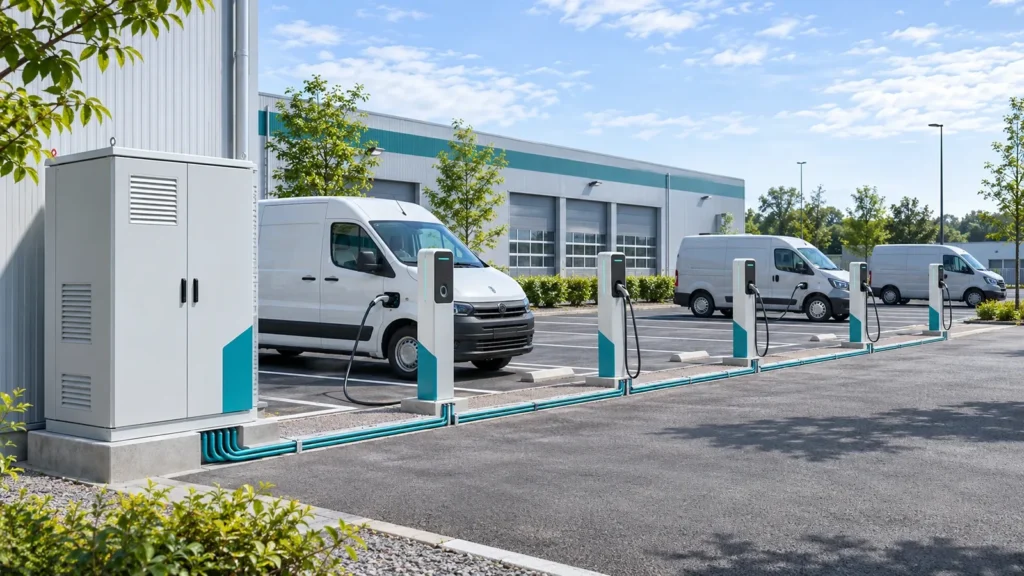
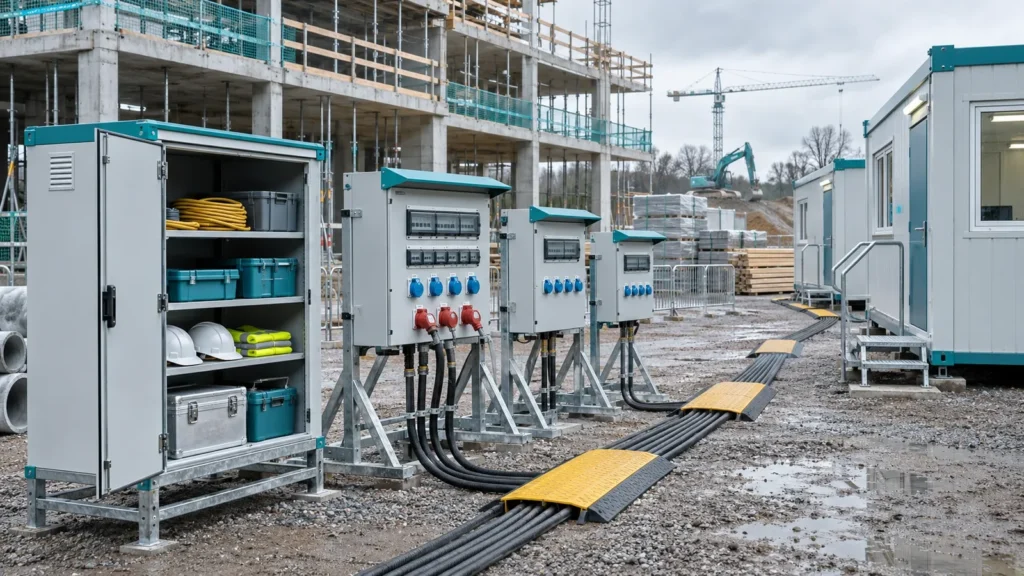
In short: a construction site or event can get temporary power in three main ways: a temporary connection to the local network, sometimes called a builders supply; generators; or battery power units, alone or as a hybrid with a smaller generator. A grid connection is usually the cheapest to run but needs to be arranged early. Batteries and hybrids cut fuel, noise and emissions where loads are light or variable. Many sites use a mix as the project changes.
Temporary power is easy to overlook until the first week on site. Arranging it early, and choosing the right mix, saves money and avoids running a large generator for months. This guide sets out the options.
What is a temporary builders supply?
It is a connection to the local electricity network that is only needed for a limited period, typically while a site is being built. National Grid Electricity Distribution describes a temporary connection as one which will be used for less than 5 years, for example by construction teams during a new development, and notes that the cost of disconnection is not included in the connection offer.
Network operators handle these applications through their new supplies process. SSEN, for instance, lists a temporary building supply alongside small new connections, and says quotes are usually issued within 5 to 15 working days, with works aiming to start within four weeks where no permits or land rights are needed. Larger supplies take longer, so apply as soon as the site layout is known.
How do the options compare?
| Option | Strengths | Watch out for |
|---|---|---|
| Temporary grid connection | Lowest running cost, no fuel, no local emissions | Lead time, connection and disconnection costs, capacity limits |
| Diesel generator | Available quickly, any size | Fuel cost, noise, emissions rules, inefficient at low load |
| Battery power unit | Silent, no local emissions, efficient at any load | Limited energy per day, needs recharging |
| Hybrid: battery plus smaller generator | Generator runs only when needed, at an efficient load | Sizing both parts correctly |
Fuel and emissions rules have shifted the balance. Most sectors, including construction, lost the right to use rebated red diesel from April 2022, and in London generators must already meet the Stage V engine standard under the non-road mobile machinery rules. For a detailed comparison, see battery power units vs diesel generators.
How do you size temporary power?
Estimate the peak power each area needs and the energy it uses over a day. Welfare cabins, lighting and security often run around the clock at low load, while tools and plant create short peaks. Logging the load on a similar site is the best guide. Oversized generators waste fuel; a battery or hybrid often matches real site loads better. Our article on decarbonising construction site power walks through the method.
What about events?
Events have similar patterns: short peaks for stages and catering, and long periods of light load. Battery units are quiet enough to sit near audiences and residents. See battery power for events for sizing and logistics.
Temporary power checklist
- Apply for a temporary connection as soon as the site layout is known.
- Estimate peak power and daily energy for each phase of the project.
- Check local rules on noise and emissions, especially in London.
- Consider battery units or hybrids for light or variable loads.
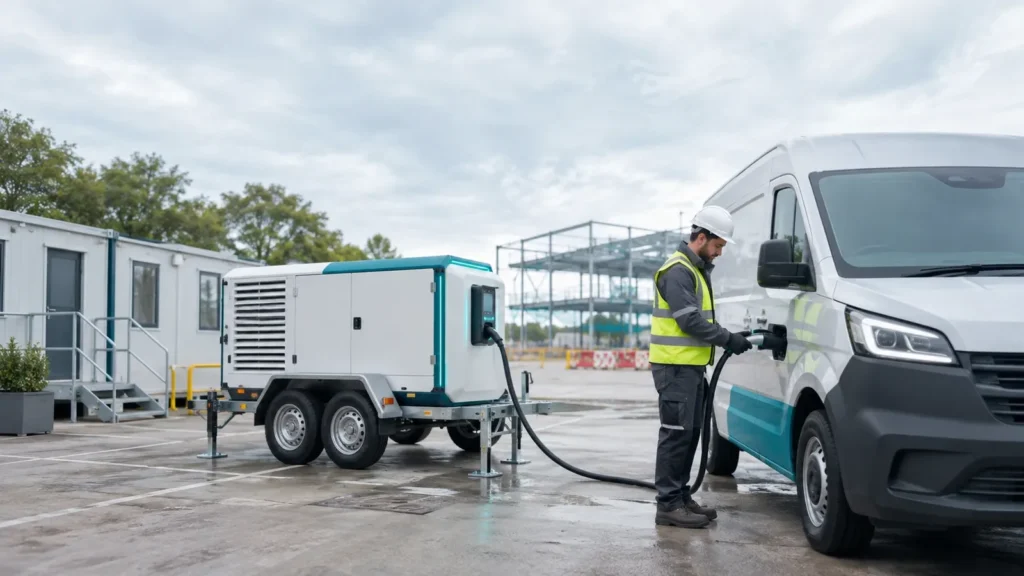
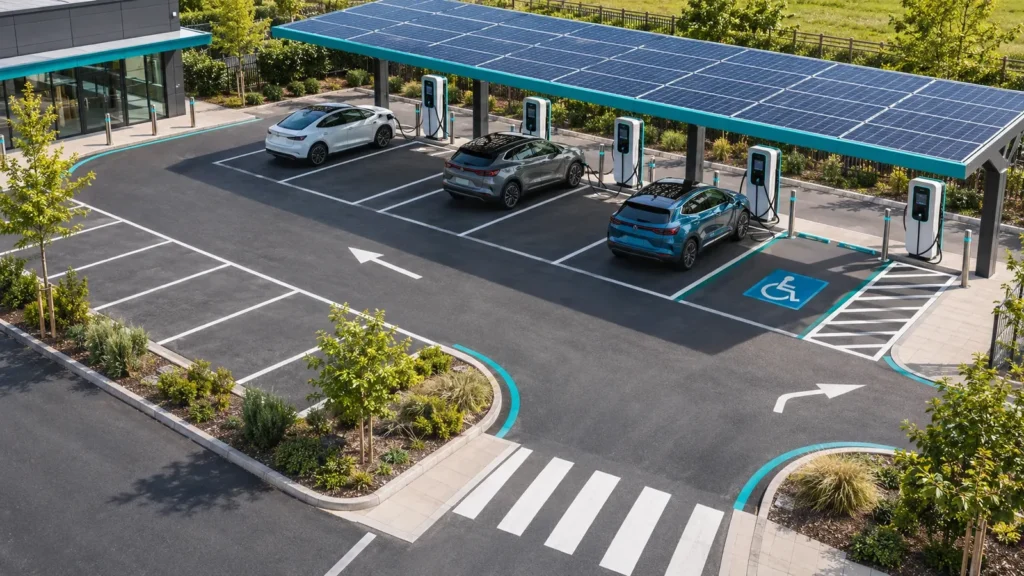
- Plan for charging electric vans and plant on site.
- Agree who removes the supply and equipment at the end, and the cost.
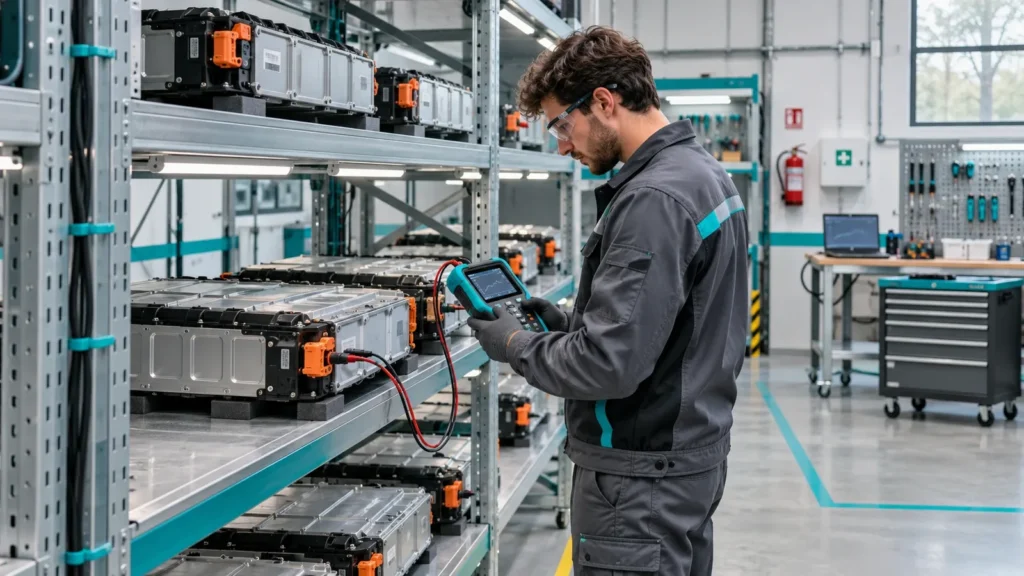
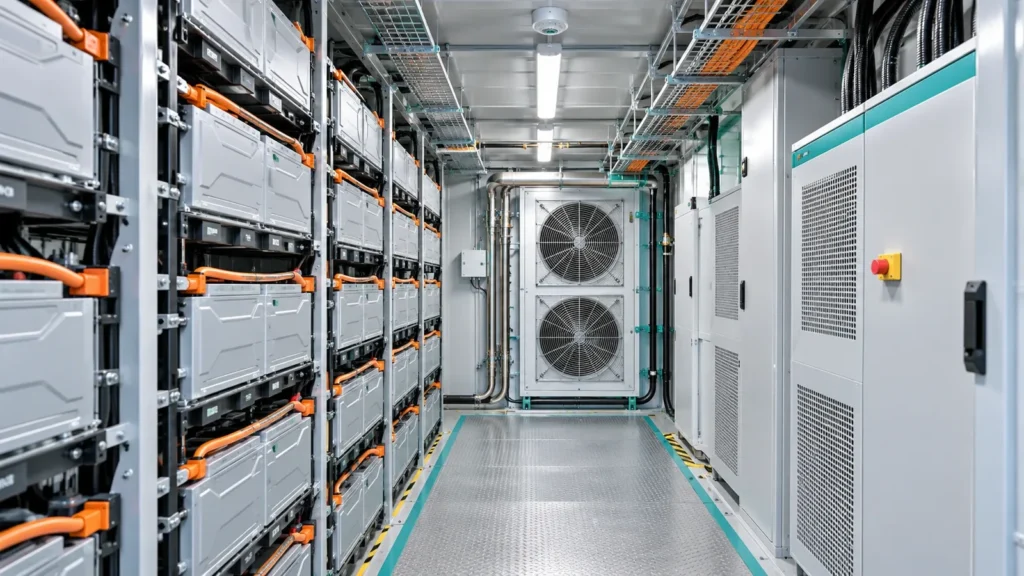
For the technology behind battery units, see mobile energy storage explained.
Frequently asked questions
How long does a temporary builders supply take?
It depends on the network operator and the size of supply. Smaller supplies can be quoted within weeks, while larger ones or those needing permits take longer, so apply early.
Can a battery replace a generator on site?
For light and variable loads, often yes. For heavy continuous loads, a grid connection or a hybrid is usually needed.
Who pays to remove a temporary connection?
Usually the customer. National Grid Electricity Distribution notes that disconnection costs are not included in its connection offer.
Our solution recommendations service plans temporary power for sites and events. Tell us about your project.