Ultra-fast charging
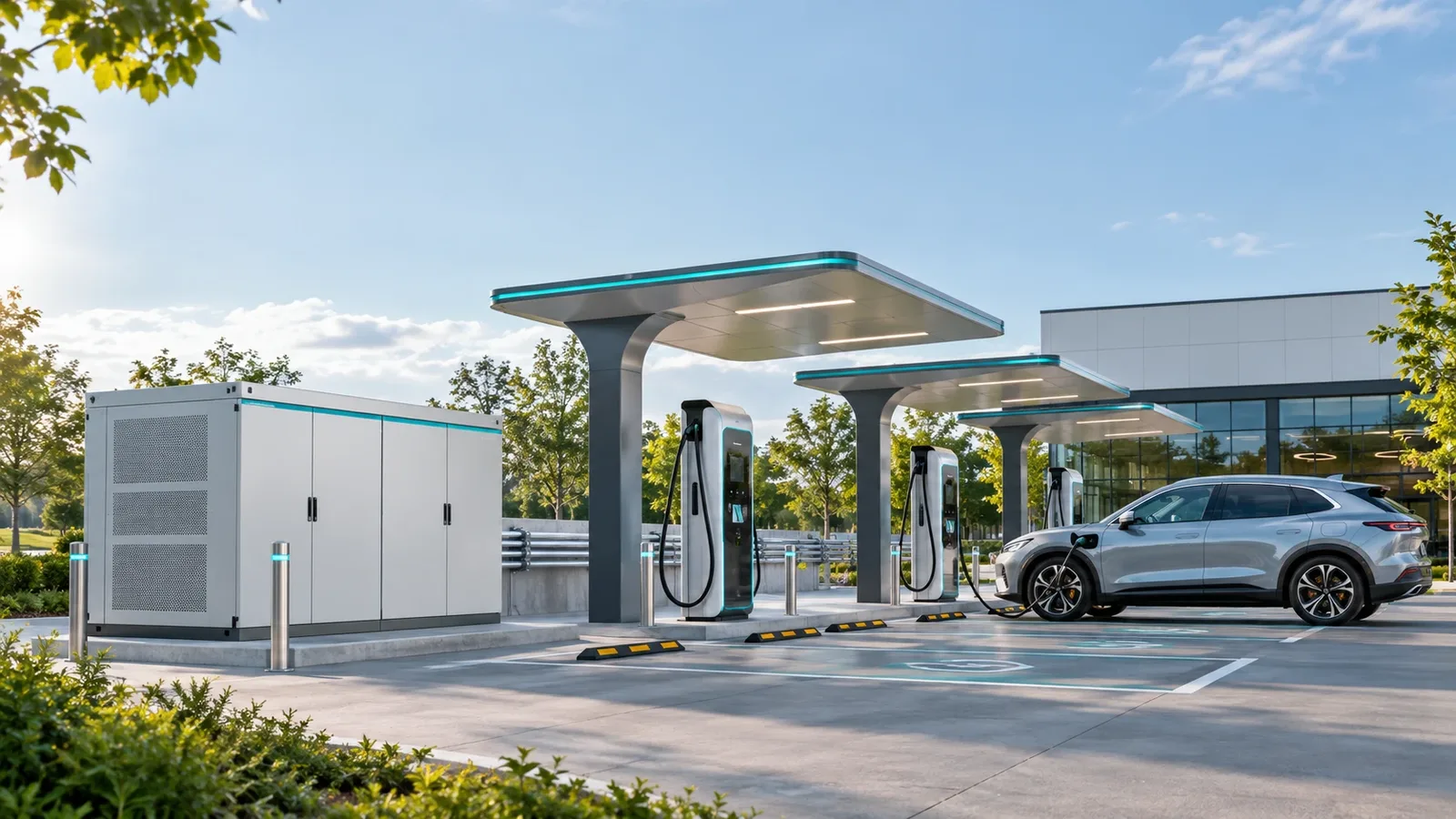
High-power DC charging, from around 150 kW upwards, serves public hubs, busy routes and fleets with short stops. We help you plan hubs that drivers use, match power to the vehicles that visit, secure the grid connection and meet the reliability rules.
The technology
How ultra-fast charging works
What it is
DC chargers that convert power in the charger, not the vehicle
Power commonly from about 150 kW to 350 kW
Often shared between outlets or dispensers
Public chargers of 50 kW and above must meet the rapid charging rules
What decides performance
What visiting vehicles can accept, and how charging slows as batteries fill
Grid capacity and how power is shared
Bay numbers against busiest-hour demand
Uptime, payment and the driver experience
The complexities
What makes it hard to get right
Technical
Matching charger power to vehicles that can use it
Large connections, often at high voltage
Power sharing and battery support on a limited supply
Reliability engineering, spares and remote monitoring
Commercial and regulatory
Utilisation and payback in a competitive market
99% reliability, contactless and pricing rules for public rapid networks
Layout, accessibility and amenities that make drivers stop
Operating models for landowners and operators
Where it fits
When ultra-fast charging is the right answer
A good fit when
Sites sit on major routes or in busy urban areas
Drivers stay minutes, not hours
Fleets have tight turnarounds
Heavy vehicles need fast top-ups on long routes
Think twice when
Vehicles park for hours and AC would do
Locations are quiet and utilisation would be low
Grid capacity cannot be secured in time
How we deliver
Our services for ultra-fast charging
Solution recommendations
We size hubs from demand, vehicle mix and grid capacity, and test where storage or power sharing helps.
Procurement and supplier selection
We specify high-power chargers, compare suppliers and contract for uptime, spares and repair times.
OEM and ODM support
We help brands develop high-power charging products, from manufacturer selection to certification.
Market entry strategy
We assess hub sites and markets, competition and the rules operators must meet.
Go-to-market strategy
We shape operating models, pricing and partnerships for charging hubs.
Further reading
Insights on ultra-fast charging
Insight
Planning an ultra-fast charging hub
Demand, bays, power, grid and reliability.
Insight
150 kW vs 350 kW chargers
What vehicles can actually use.
Insight
Are EV charging hubs profitable?
The business model and what drives payback.
Insight
DC fast charging explained
How it works and when a site needs it.
Talk to us about ultra-fast charging
Tell us about your vehicles, site and plans. We will tell you plainly whether ultra-fast charging fits, and what it will take.