In short: second-life battery storage reuses batteries that are no longer ideal for vehicles in stationary systems, where lower capacity matters less. It can cut the cost and carbon of storage, but the batteries’ condition varies, so testing, warranties and safety evidence matter even more than for new systems. It suits sites that value lower cost and sustainability and can accept a shorter or less certain life.
An EV battery may reach the end of its useful life in a vehicle long before it is truly worn out. Second-life storage puts that remaining capacity to work. This article explains how it works, where it fits and what to check.
Why do EV batteries get a second life?
Vehicles need a lot of energy in a limited space and weight, so a battery that has lost some capacity can mean too little range. Stationary storage has no such limits. UK second-life integrator Connected Energy says that at the end of their life in a vehicle, EV batteries still retain 75–80% of their original capacity, by its own figures. Renault, speaking in a 2019 interview with the company, said a battery’s first life will last 10 to 15 years, after which it still operates at 75% capacity or more.
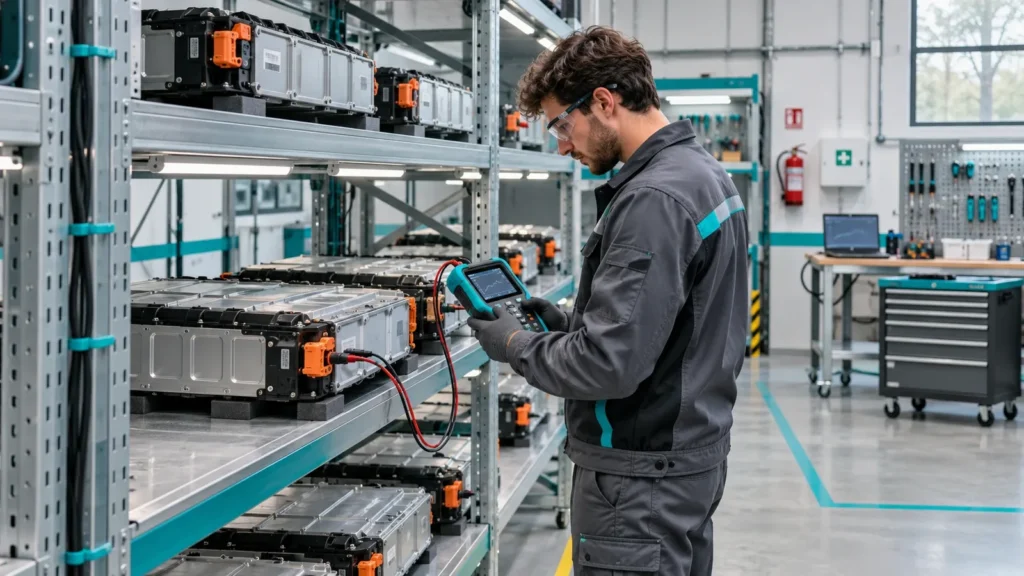
Research is working on how to assess these batteries quickly. The Faraday Institution’s ReLiB project aims to develop a field-deployable fast testing method for second-life viability at module level.
Where does second-life storage fit?
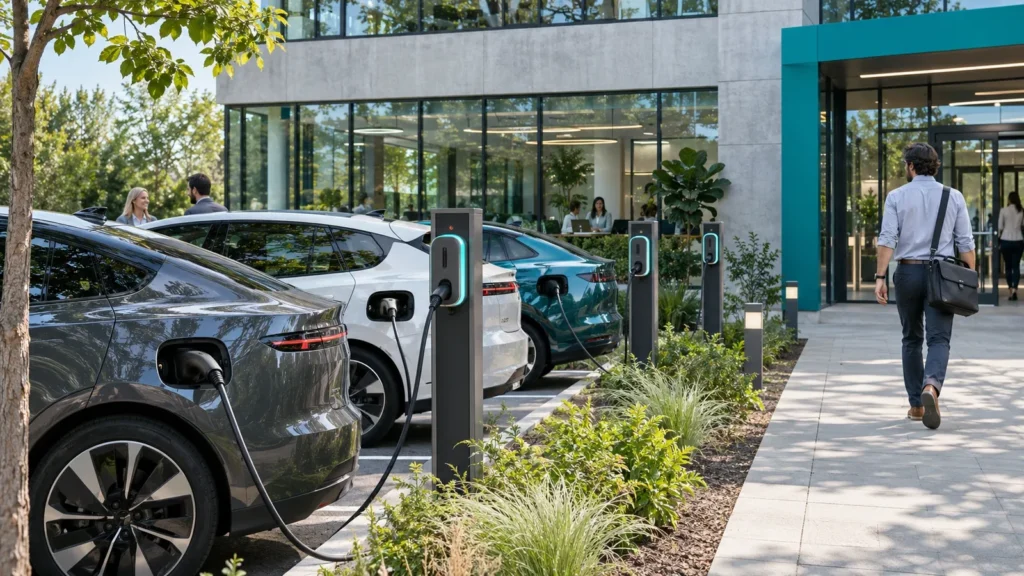
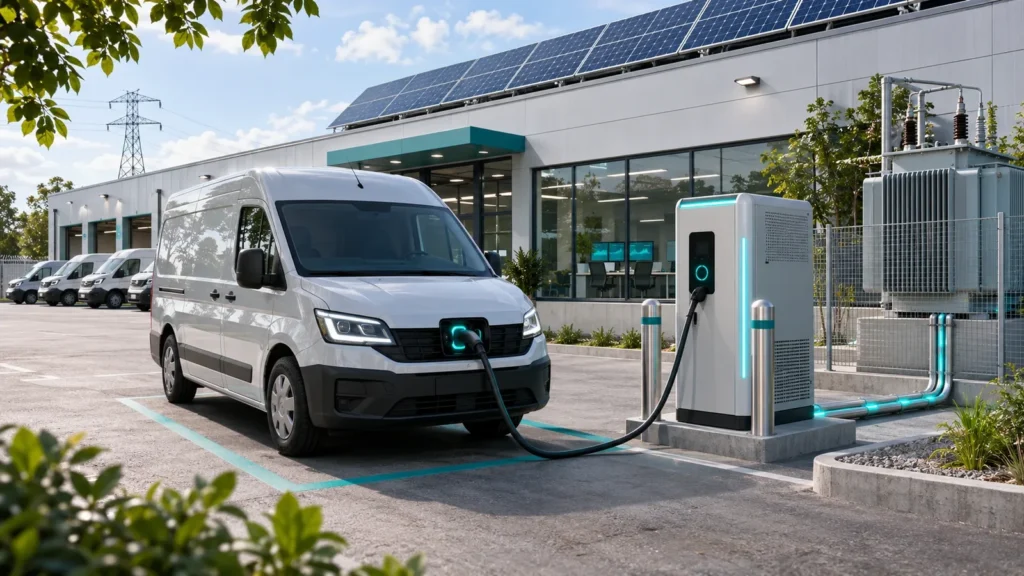
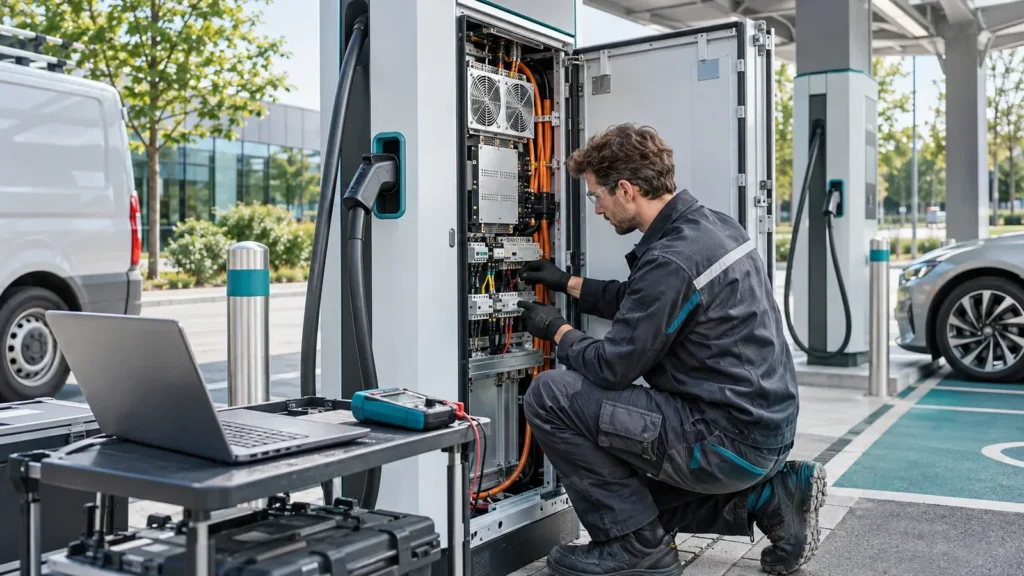
- Battery-buffered EV charging, where storage tops up chargers on a limited grid connection; see why battery-boosted charging matters.
- Peak shaving at commercial sites, reducing demand in expensive hours.
- Solar self-consumption, storing daytime solar power for later.
It is less suited to applications that need the longest possible life or the most compact system.
What are the risks?
| Risk | What to ask |
|---|---|
| Variable condition | How every battery or module is tested and graded before use |
| Uncertain life | The guaranteed capacity over time, and what happens if it falls short |
| Safety | Fire test evidence for the complete system, monitoring and protection |
| Mixed batteries | Whether packs of different ages or types are combined, and how they are balanced |
| Supply | Whether replacement modules will be available later |
Safety evidence is essential. UL 9540A is a test method for evaluating thermal runaway fire propagation in battery energy storage systems; ask whether the system has been tested and get the full report. For larger systems, see battery storage planning permission and fire safety.
How should warranties differ?
The same principles apply as for new storage, but read them even more carefully: the years covered, the usage limit, the guaranteed capacity and the operating conditions. Because starting condition varies, ask for the capacity measured at handover and a guaranteed level over time. Our guide to battery storage warranties sets out what to check.
What does regulation say?
Rules on battery sustainability are tightening, especially in the EU. The EU’s batteries regulation, which entered into force on 17 August 2023, sets harmonised rules for batteries on the EU market, including EV and industrial batteries. If you sell or install systems in the EU, check how it applies to repurposed batteries.
Frequently asked questions
Is second-life storage cheaper?
It can be, but compare the full system cost, warranty and expected life, not just the price per kWh.
Is it safe?
It can be, with proper testing, battery management, monitoring and fire test evidence. Ask for evidence, not assurances.
What happens at the end of second life?
The batteries should go for recycling. Agree in the contract who takes them back and at what cost.
Our procurement and supplier selection service compares new and second-life storage offers on risk and lifetime value. Tell us about your project.