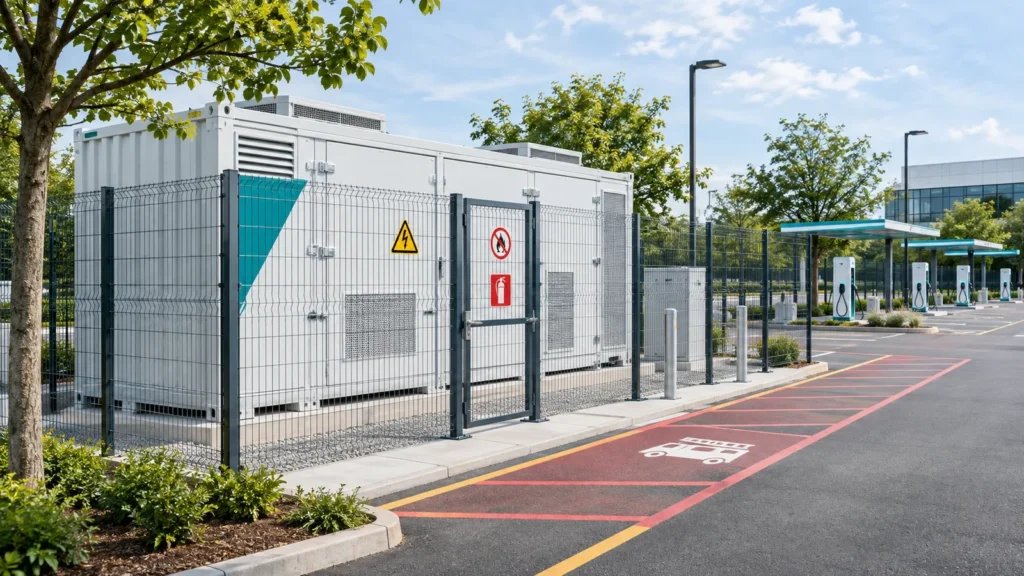
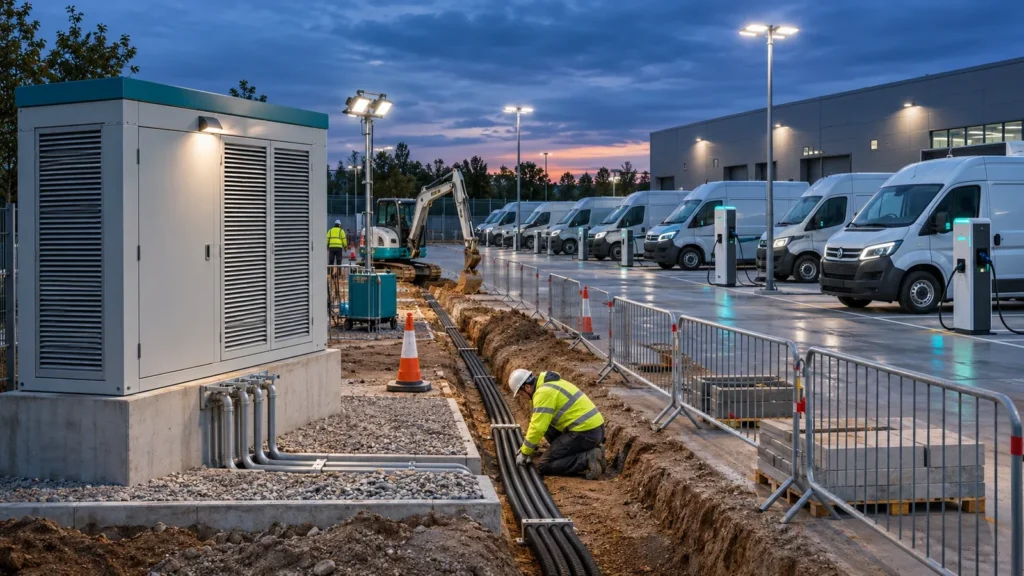
In short: if your depot is waiting for a bigger grid connection, you do not have to wait to electrify. Check whether a smaller or flexible connection is available sooner, use the capacity you already have more cleverly with load management, and bridge any gap with battery storage or mobile charging. Keep the full connection application moving in parallel, because the workarounds are easier to size once you know when the real capacity will arrive.
Electric vans and trucks can be ordered in months. The power to charge them often takes far longer. The SMMT has warned that van and truck operators face waits of up to 15 years for depot connections in the worst cases. Most sites will not wait that long, but delays of several years are common enough that every fleet plan needs a “what if the power is late” answer.
Here are the options we work through with operators, roughly in the order we check them.
Is the delay as long as you have been told?
Start by testing the date itself. The connections process in Great Britain is changing. Ofgem approved a major reform in April 2025 that reorders the queue around projects that are ready to build, and in December 2025 Ofgem said the queue had been cut by nearly two thirds as stalled projects were removed. A date you were quoted before those changes may no longer hold.
Make sure you have the right kind of answer, too. A budget estimate is only indicative. SSEN, for example, explains that a budget estimate cannot be accepted and does not include network studies, while a formal connection offer is based on those studies and can be accepted. If all you have is an estimate, apply for a formal offer so you know the real cost and date.
Are you asking for the right amount of power?
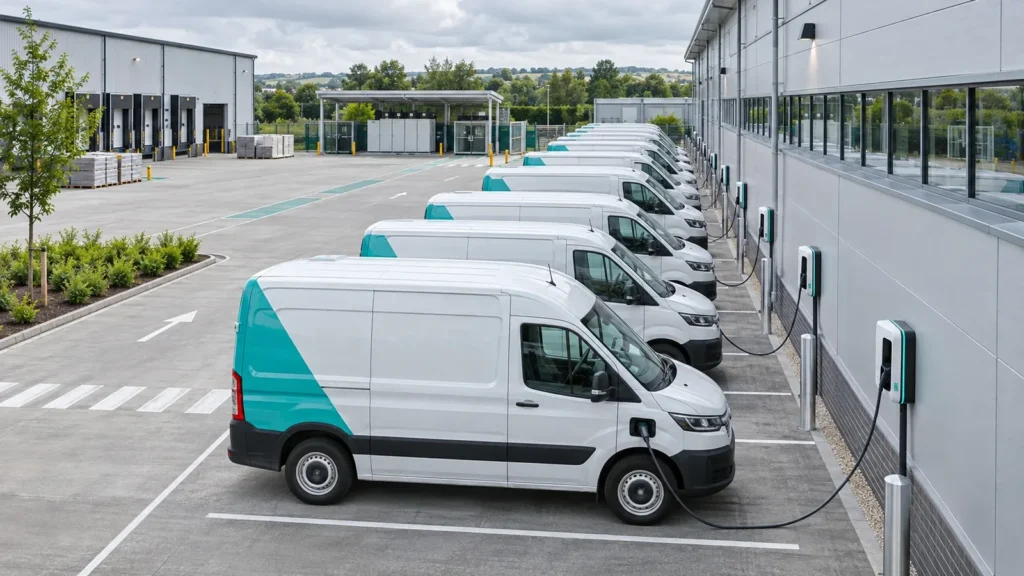
The size of the request drives both cost and time. Many depots ask for enough capacity to charge every vehicle at full power at once, which rarely happens in practice. Work out the energy each vehicle needs per shift and how long it is parked, and you will often find a much smaller connection does the job.
The difference can be dramatic. In Devon, a 10-bay charging hub reapplied for a more appropriately sized connection. Vattenfall reported that this saved over £1 million and brought energisation forward by three years. Our guide to sizing depot charging from duty cycles shows the method.
Could a flexible connection get you power sooner?
Network operators can offer connections that limit your import at certain times in exchange for an earlier or cheaper connection. Electricity North West describes how, with a flexible connection, your import capacity is restricted under certain conditions such as network stress, which can mean a quicker power-on date and a cheaper quote if reinforcement is avoided or deferred. Its options include timed connections, where capacity is only available at agreed times.
Depots are well suited to this. Most vans charge overnight, when networks are quiet. If your vehicles can do most of their charging outside the evening peak, a timed or curtailable connection may cost you very little in practice.
Can you do more with the connection you already have?
Before buying anything, measure what your site actually uses. Half-hourly meter data often shows spare capacity overnight, exactly when vehicles are parked. Load management software can then share that capacity between chargers, so the site never exceeds its limit. Our article on load management for depots explains how it works and what to ask for.
A distributed charging system, where one power cabinet feeds several dispensers, does the same job in hardware. We compare it with standalone chargers in distributed vs standalone chargers on a lower grid supply.
Should you bridge the gap with storage or mobile charging?
If the existing connection is genuinely too small, two bridges are worth costing.
- Battery storage: a battery charges slowly from the grid and discharges quickly into vehicles, so a small connection can support more charging. It can stay useful after the upgrade arrives, cutting peak costs. Another route is an EV charger with battery storage built in, which does the same job inside the charger. Start with the questions in storage as a grid workaround.
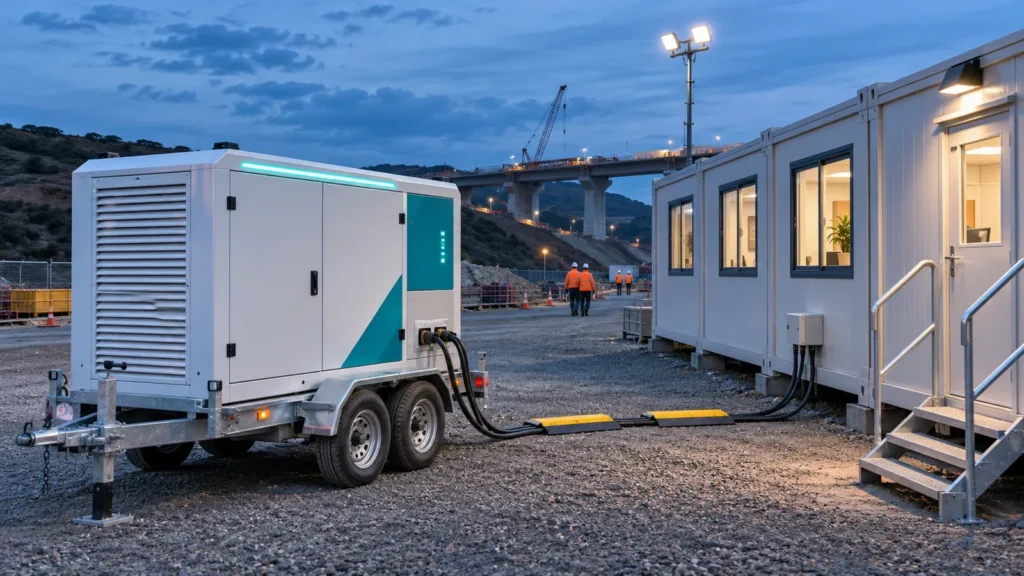
- Mobile charging: a mobile charger is filled where power is available and brought to the vehicles. It suits early adopters with a handful of vans and can be hired rather than bought. See what to check before you hire or buy.
For a side-by-side view of the economics, read battery-buffered charging vs a grid upgrade.
What else can keep vehicles moving?
- Phase the fleet: electrify the routes that suit today’s capacity first, usually shorter urban rounds with long overnight dwell times.
- Split the load across sites: a second depot or a partner’s site may have spare capacity.
- Use public or shared hubs: for a small number of vehicles, contracted access to a nearby hub can cover the gap.
- Let others build part of it: some connection works can be done by an independent connection provider rather than the network operator. Northern Powergrid notes that independent connection providers may be able to complete some or all of the work, which can help on timing.
Checklist: what to do this month
| Step | Why it matters |
|---|---|
| Get half-hourly meter data for the last 12 months | Shows the spare capacity you already have |
| Map each vehicle’s daily energy and dwell time | Sets the real power you need, not the theoretical maximum |
| Apply for a formal connection offer, not just an estimate | Gives an accepted cost and date you can plan around |
| Ask the network operator about flexible or timed connections | Can bring the date forward at little cost to a depot |
| Cost load management, storage and mobile charging as bridges | Lets vehicles arrive before the full upgrade |
| Check grant support for depot charging | Can change which option pays back first |
For a wider view of every stage, from first vehicle to full fleet, see our complete guide to fleet depot charging.
Frequently asked questions
Can I order electric vans before the depot connection is upgraded?
Yes, if you have a plan to charge them. Load management on the existing supply, a battery or mobile charging can support early vehicles while the upgrade is built.
Is a flexible connection risky for a fleet?
It depends on when your vehicles charge. If most charging happens overnight, limits during the evening peak may barely affect you. Ask the network operator how often and for how long curtailment is expected.
Will storage still be useful after the upgrade arrives?
Often, yes. A battery can keep cutting peak electricity costs and support more chargers as the fleet grows, so it is rarely wasted.
Working out which bridge fits your depot is the kind of question our solution recommendations service answers. Tell us about your site and vehicles and we will tell you what we would do first.