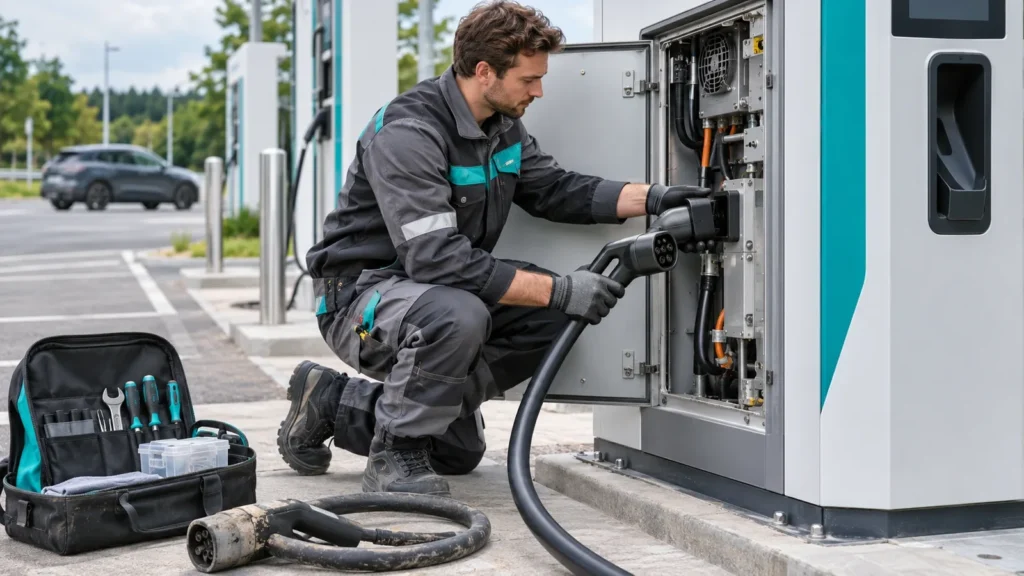

In short: a good fleet electrification plan starts with data on how your vehicles are used, picks the routes that suit electric vehicles first, and builds charging, grid capacity and funding around them. Replace vehicles in phases as they come due, prove the approach on a pilot, then scale. The order matters: secure power early, because vehicles can arrive in months but a grid connection can take far longer.
Electric vans and trucks are no longer an experiment. In 2025, battery electric van registrations rose 36.2% to a record 30,169, according to SMMT figures reported by Motor Transport. The same report noted that electric vans made up 9.5% of the market, short of the 16% required under the zero emission vehicle mandate for that year, with the requirement rising to 24% in 2026. Manufacturers are under pressure to sell electric vans, and fleets that plan ahead can take advantage.
Step 1: Understand how your vehicles are used
Gather telematics or journey data for each vehicle: daily distance, the longest days, where vehicles park overnight, and how long they stay. This shows which vehicles could switch now and which need more range or charging than today’s options allow.
Step 2: Choose the first routes
Start where electric vehicles fit most easily: predictable routes, shorter daily distances and long overnight parking at a depot. Early success builds confidence with drivers and managers, and gives you real energy data for the next phase.
Step 3: Plan charging and power
Work out the energy each vehicle needs and the time it is parked, then size the chargers and check the site’s capacity. Our guide to fleet depot charging covers this in detail, and how many EV chargers a fleet needs gives a worked example.
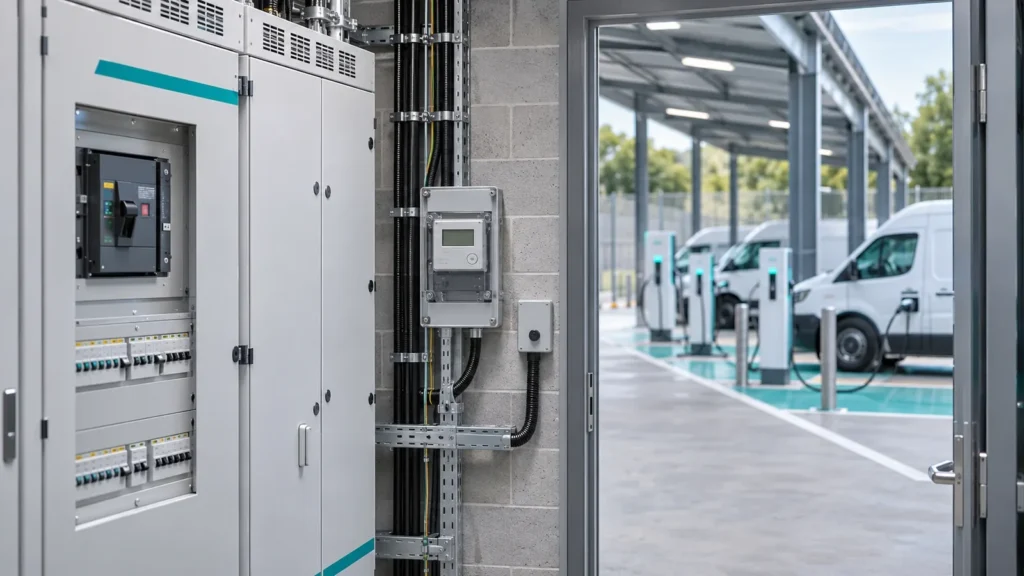
Apply for any extra grid capacity early, even if you will not need it for years. If the connection will be late, load management, storage or mobile charging can bridge the gap; see options while you wait for a grid connection.
Step 4: Line up funding
Funding can help with both vehicles and charging. Electric vans and trucks get a discount applied by the seller at the point of sale, and the Depot Charging Scheme supports depot charging for vans, coaches and HGVs. See EV charging grants for businesses for what is available and the rules to check.
Step 5: Pilot, then scale
Run a pilot with a small group of vehicles for long enough to see seasonal effects. Track energy use per mile, charging times, driver feedback and any operational issues. Then replace vehicles in phases as leases end or vehicles are due for replacement, so you are not writing off useful diesel vehicles early.
Step 6: Compare the whole cost
Purchase price and running costs pull in different directions, so look at both. Compare total cost of ownership for vehicles and charging together, over the same period, including energy, maintenance, grants and residual values. Our total cost of ownership model shows the method for the charging side.
Fleet electrification checklist
| Area | What to settle |
|---|---|
| Data | Daily distances, parking times and locations for each vehicle |
| Vehicles | Which routes go electric first, and suitable models |
| Charging | Charger numbers, power, AC or DC, load management |
| Power | Site capacity, connection application, bridging options |
| Funding | Vehicle discounts, depot and workplace grants |
| People | Driver training, charging routines, home charging policy |
| Phasing | Pilot, then replacement in line with leases and vehicle age |
Heavier vehicles bring their own challenges; see electric HGV charging and bus and coach depot charging.
Frequently asked questions
Where should fleet electrification start?
With data on how your vehicles are used. It shows which routes can switch now and what charging you need.
Should we replace the whole fleet at once?
Rarely. Phasing replacement in line with leases and vehicle age spreads cost and lets you learn from early vehicles.
What is the biggest risk?
Vehicles arriving before the power to charge them. Start the grid connection conversation early.
Our solution recommendations service builds phased fleet electrification plans from your own data. Tell us about your fleet.